The CDL Rights Management Framework is presented here as five steps that parallel the workflow of a digital library project.
See also:
Digital libraries provide a wealth of materials to users, and extend access to materials that may not have previously been available to a wide audience. Users, however, are often unclear if they may copy resources that they access, or if and how they can use them in their own work. Part of the digital library service should be to help those users understand what they can do with the materials that are now available to them. The goal of the rights management framework is to provide greater clarity for users by giving libraries the tools they need to select materials where rights can be secured and by making the rights status of works explicit. Because there are many instances of works in our collections that do not have a clear rights holder, the framework allows libraries to record that the copyright status of a work is not known, so that users will know that the rights situation needs further analysis.
Rights are important throughout the digital library workflow. The framework creates an integration of rights into the appropriate points of that workflow so that rights tasks are included where they can most effectively be addressed. The framework provides information and tools that guide project managers and participants in making and recording decisions about rights. It is presented here in five modules that represent key stages in the digital library project.
Step 1: The first stage is Planning. This includes a general understanding of how rights issues will affect the digization project, and education on copyright matters as they pertain to digital library materials.
Step 2: An Evaluation of the particular rights issues that are expected to surface in your particular project. This evaluation will help determine the kinds of actions that will be needed and the workload that can be expected related to rights analysis.
Step 3:The third step is the Selection of materials for inclusion in the digital library. In this stage of the digital library workflow, you will need to determine the copyright status of the materials, analyze whether you can include the materials in your digital library, and whether you need to request permission to use the materials.
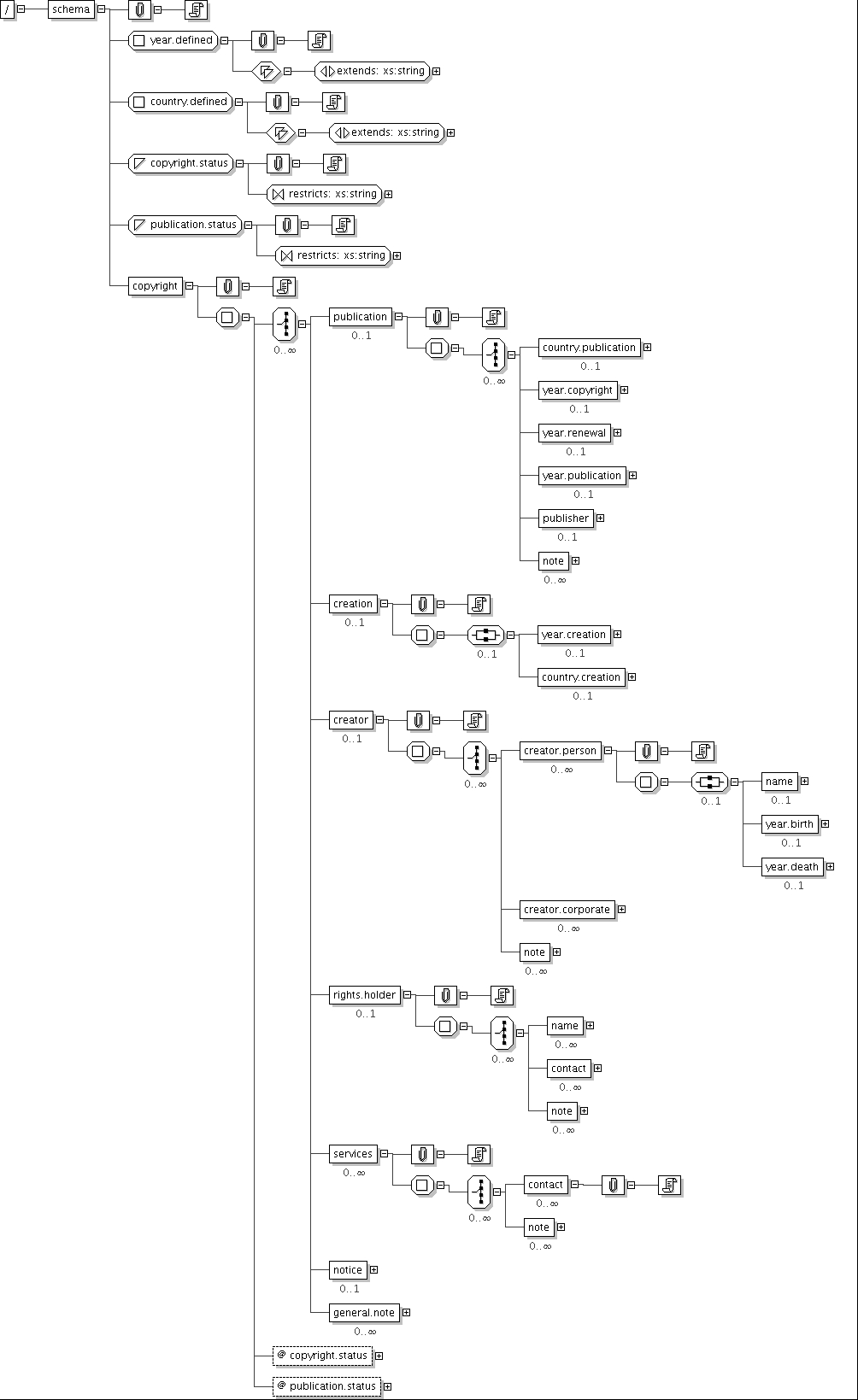
Step 4: The fourth step is to Record the rights information as metadata for your materials, in addition maintaining records of rights information that has been gathered during the entire digital library workflow. The CDL has developed a rights metadata schema and documentation on how to use the schema
Step 5: The fifth step is to Deliver the digital assets to the CDL using the California Digital Library (CDL)/UC Libraries Digital Assets Agreement and Submission Inventory.
Go to steps: